
Food Learning in Action
Lettuce Week
This page shows how Hungry Ears Food Education works in the classroom.
Example: Week 19 – Lettuce (Reception)
All sessions are teacher-led and follow a consistent, structured format:
-
Watch the story
-
Explore through a simple activity
-
Take part in a low-pressure tasting experience
-
Continued learning at home

95% of children tried & liked iceberg lettuce
Representative image of children tasting lettuce
1. The Story : Maggie Discovers Lettuce
A playful story that builds children’s confidence to try lettuce and other green vegetables.
'Spring arrives, and Magnolia sets off in search of her family. Along the way, she befriends a rabbit. He tells her about the benefits of green vegetables and why it's important to look after soil. When a fox startles the rabbits, Magnolia follows them into their warren. Lost in the dark, she wonders if she’ll ever find her way out. Luckily, she emerges into the allotments beside a lush patch of lettuce. Munching the crisp green leaves helps her feel calm and relaxed.'
Watch the full Story
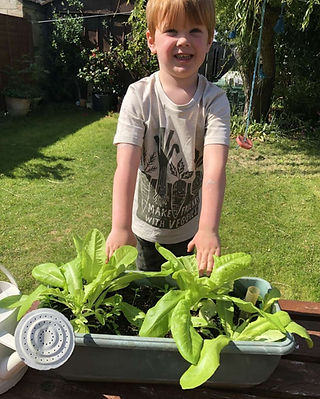
2. Classroom Activity: Planting Lettuce
Next children take part in a simple lettuce planting activity.
This hands-on experience reinforces the story and allows children to explore food through touch, smell, and observation. It supports early understanding of how food grows and encourages curiosity about vegetables in a natural, engaging way.
Where planting is not practical, a low-preparation worksheet activity is provided, enabling children to explore how lettuce grows through sequencing and discussion.


3. No Pressure Lettuce Tasting
The children learn about food hygeine and simple food preparation. Washing their hands after planting and before tasting.
They are encouraged to look, smell, listen and taste a few different lettuce varieties and to describe their sensory experience. There is no pressure to taste.
All tasting activities are designed to use simple, seasonal, and readily available foods.
Schools can adapt delivery using raw, tinned, frozen, or kitchen-prepared depending on their setting. E.g. tinned sweetcorn or fresh.


Case study - Oliver
Oliver (name changed), aged four, was reported by his parents as refusing all fruit and vegetables at home and they had given up trying.
He fully engaged with the Hungry Ears sessions, enjoying the stories and activities, but initially chose not to taste the food.
A low-pressure approach encouraged sensory exploration; looking, holding, smelling, and describing the foods. Over time, this progressed from touching, to fingertip tasting, to licking across several weeks, supported by peer modelling and a positive environment.
Eventually, Oliver took a small bite of lettuce and said, 'It’s crunchy.'
After this, he began to regularly try new foods, at school and at home.
A good example of how repeated exposure, sensory learning, and a supportive setting can help build acceptance of healthy foods in reluctant eaters.
4. Continued Learning
at Home
The programme provides simple, low-cost recipes for families to try together, with activities that can be shared with parents and carers to encourage further engagment and discussion.
This reinforces classroom learning and helps children build familiarity and confidence with healthy foods in everyday life.

Teacher Support
Each Hungry Ears session includes a structured lesson plan designed to support confident classroom delivery.
-
Step-by-step guidance
-
Clear learning objectives
-
Required background knowledge
-
Full list of resources
-
Simple food preparation instructions
-
Key vocabulary and discussion prompts
No specialist training is required. A short introductory video provides simple tips to help teachers deliver activities and tasting sessions with ease.
All workshops align with the EYFS and KS1 curriculum and fit easily into everyday classroom practice with minimal additional workload.
Some schools choose to share the video story in assembly or at snack-time as a time-saving option.

Why This Approach Works
Hungry Ears Food Education Programme is based on established evidence of how young children learn and develop positive eating behaviours.
Story-led delivery creates emotional engagement, helping new foods feel more meaningful and safe. Each story also introduces a simple, age-appropriate educational message, linking foods to how they support our bodies. Repeated exposure builds familiarity, while sensory play supports confidence. Gentle, no-pressure tasting allows children to explore foods in their own way, encouraging autonomy.
This approach is also well suited to SEND environments, supporting a wide range of needs through its structured, child-led, and sensory-based design.

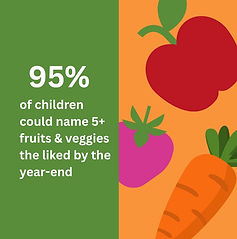
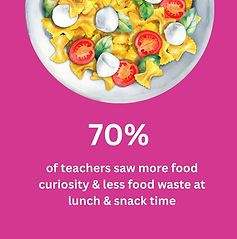
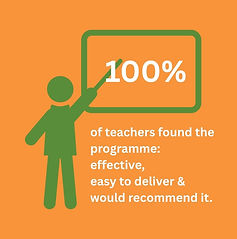
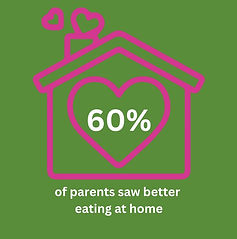
Impact Achieved Over 3 Years: Pilot Data from 1,000 Children
Committed to a Healthy Future
Hungry Ears contributes to wider public health priorities by supporting efforts to reduce childhood obesity and address health inequalities through improved familiarity with food and greater confidence.
Designed for Scalable Delivery
Teacher-led and low-cost, the programme can be delivered consistently across schools and scaled without the need for additional staff or training, supporting schools in meeting Healthy Schools objectives.
Testimonials
Parents and Teachers